
by Gregory Kable, dramaturg, Assassins

Over the course of a century, plays and musicals about the American presidency have fashioned a steady and diverse subgenre, ranging from the sincere (Abe Lincoln in Illinois, Sunrise at Campobello), to the satiric (Of Thee I Sing!, The Best Man), to the surreal (MacBird! or Nixon’s Nixon) and even the scatological (Will Ferrell’s You’re Welcome America: A Final Night with George W. Bushor the cult musical Bloody Bloody Andrew Jackson). Stephen Sondheim and John Weidman’s Assassins may be the first composition to embrace all four perspectives at once in a work that is poignant, penetrating, pluralist, perverse, surprisingly pleasurable, and deeply, unexpectedly patriotic. Their piece explores the symbolism of the nation’s highest office and its relationship to American beliefs from the fresh perspective of the outside in, with an approach to lyric theatre revealing decisive changes from the inside out.
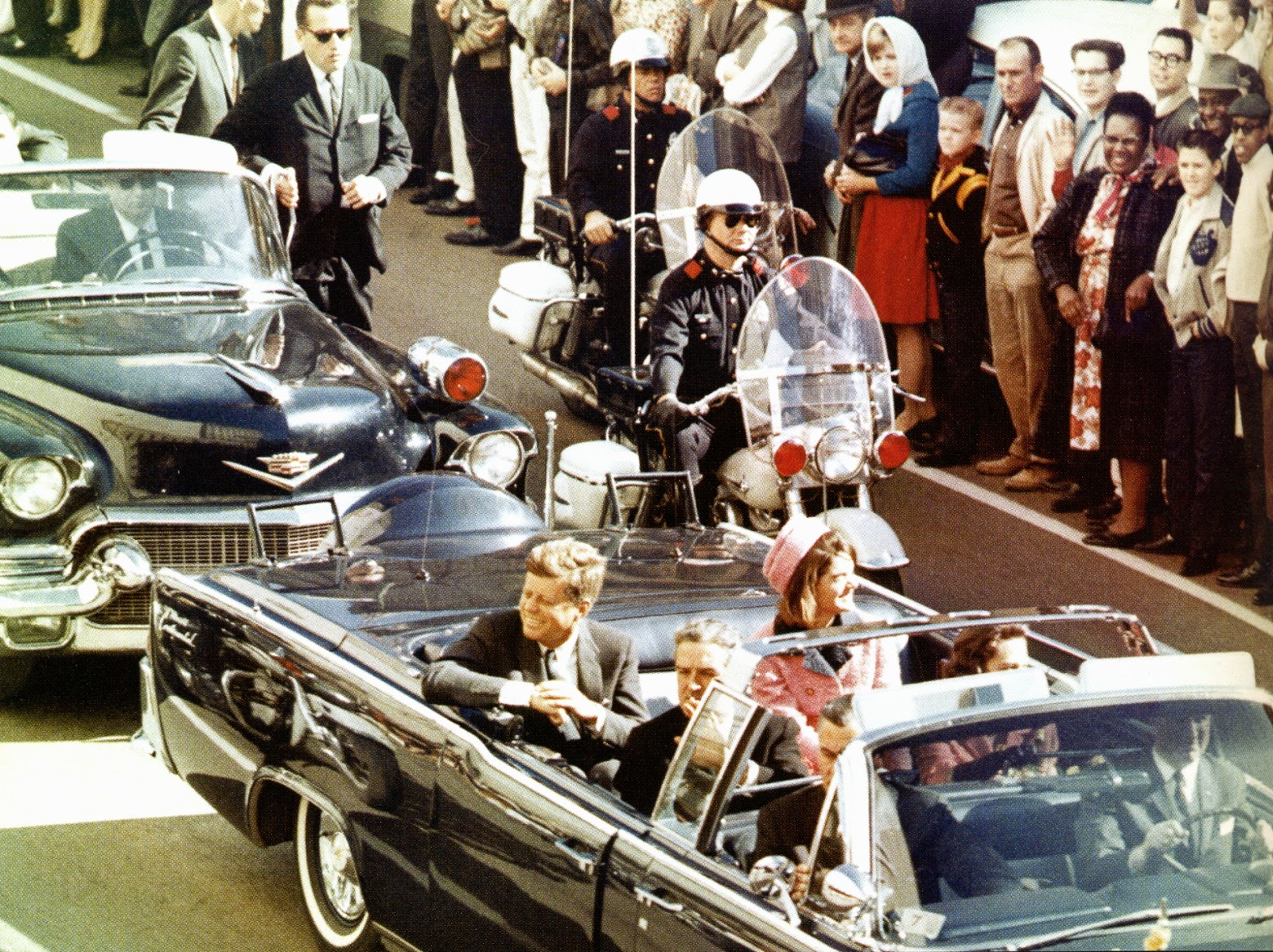
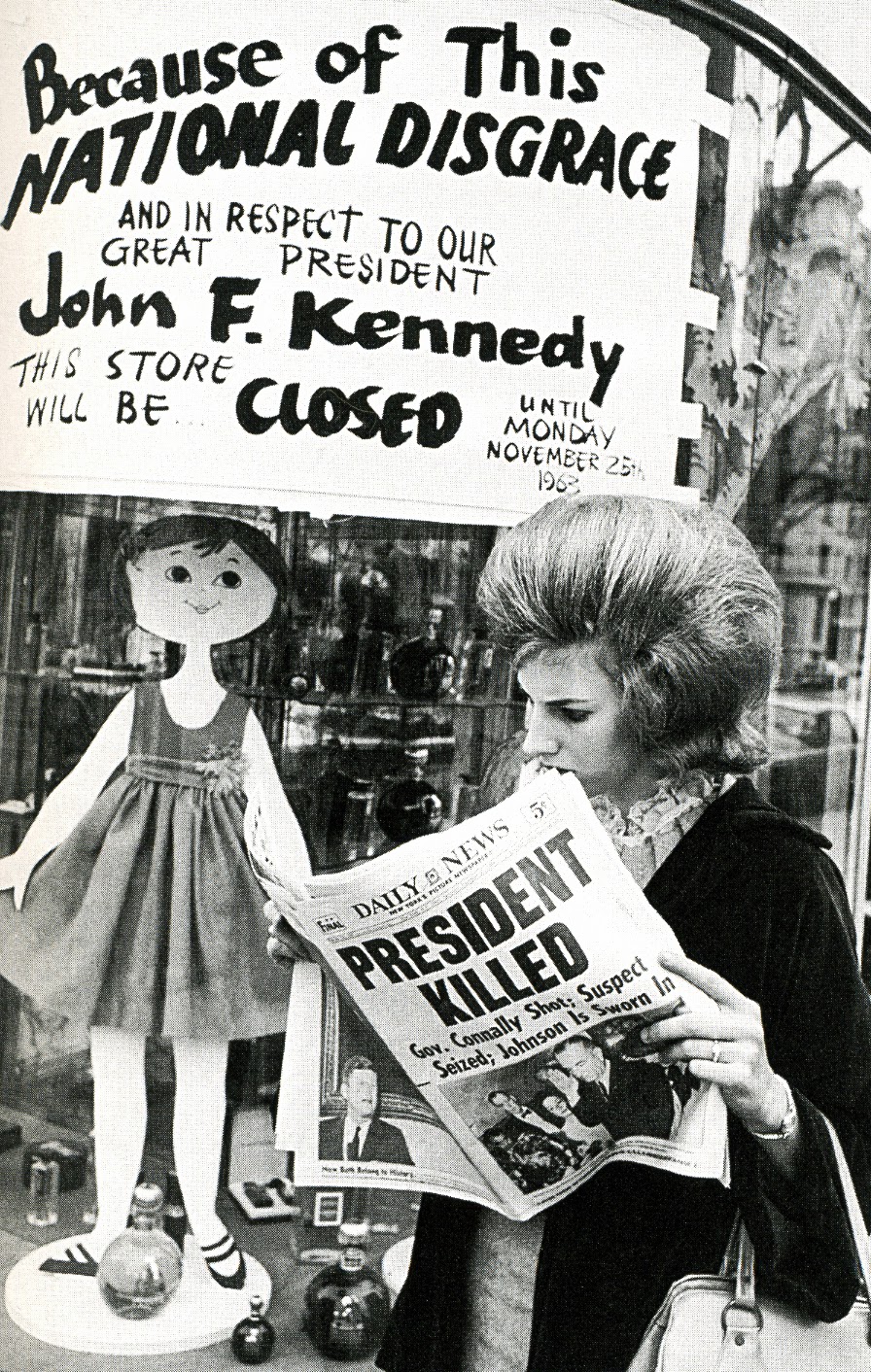 That stubborn sense of feeling disenfranchised can easily devolve into calls for vengeance. There have been four presidential assassinations in America alongside numerous attempts ranging from Andrew Jackson in 1835 to Ronald Reagan in 1981. Sites of political violence from Washington’s Ford’s Theatre to Dallas’ Dealey Plaza stand as haunting monuments to the darker aspects of American mythology, silent witnesses to passions flying in the face of consensus values predicated on shared faith in liberty, progress and perfectibility. At first glance, Sondheim and Weidman’s characters appear the expected caricatures of dangerously disaffected extremists but gradually elicit degrees of empathy in their common American struggles to be acknowledged, included and effective. Their rogues’ gallery becomes an inverse image of the very leaders they target, as if the distorted reflections in a funhouse mirror. Reversing Lincoln’s famous hierarchy by choosing bullets over ballots, exchanging the squeeze of a trigger for the stroke of a pen, they nevertheless hold similar goals as their victims, seeking to translate convictions into actions, to redress wrongs, change the country and leave their personal imprint on history.
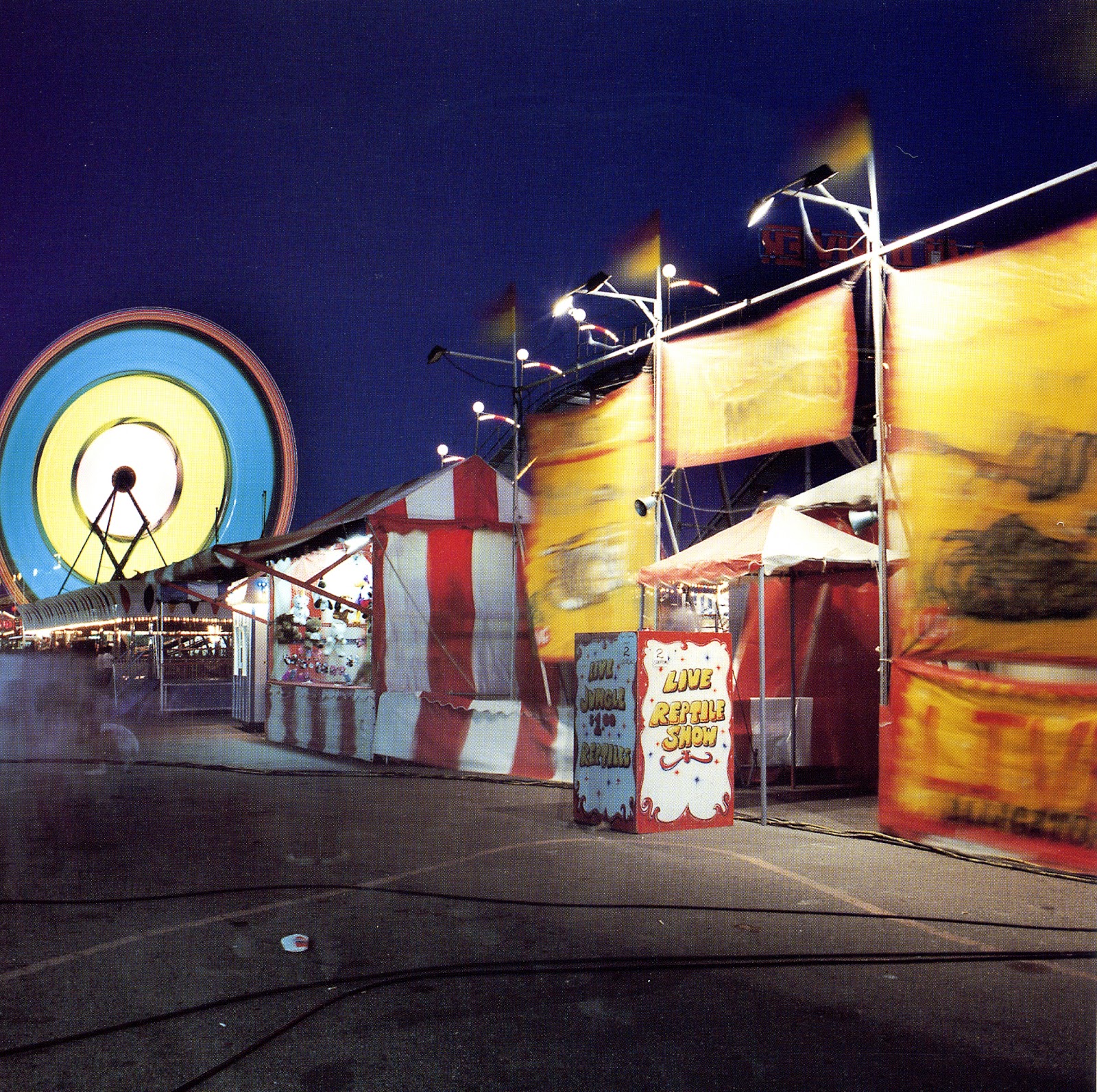 The primal appeal of those familiar injunctions of the midway—“Step Right Up!”, “Try Your Luck!”, “Test Your Strength!”,” “Grab the Brass Ring!”, “Win a Prize1”—is in their distilling of key imperatives of American success into playful challenges. They repeat and validate that national promise of a bountiful land of opportunity. Urban anthropologist Bruce Caron captures that subconscious pull of the fairground: “The carnival midway beckons us from our sequestered modern lifestyle, challenges us to give in to our physical urges and the thrill of vertiginous flight.” But even such recreational attractions are informed by an awareness that its competitions involve a fraudulent mixture of chance, skill and scam. Yet Sondheim and Weidman’s collective assassins sincerely take their cues from these creeds, above all pursuing the happiness they believe to be a national birthright, creating a veritable democracy of the disillusioned. The power of Assassins lies in this core of conventional values motivating its radical agents, who in large part cherish the same dreams that we all do. In this respect, it is telling that Sondheim has frequently commented on his own sense of outsider status, defining himself as “someone who people both want to kiss and kill.” As Caron concludes, “The midway makes us all marks.”
Like the prismatic society Assassins critiques, the show also demonstrates profound shifts in the American musical from its most integrated period of the early Forties through the mid-Sixties onward. Primarily through the examples of composer Richard Rodgers and librettist Oscar Hammerstein II, the mid-twentieth-century musical aspired toward a structural cohesion and attained a cultural security which clearly distinguished these decades from their predecessors, and would be celebrated as the genre’s Golden Age. In skillfully combining the advances in musicals leading up to their partnership in 1943, Rodgers and Hammerstein were lionized as masters of their art form, producing a succession of enduring classics from Oklahoma! (1943) through The Sound of Music (1960).
 |
| Stephen Sondheim. Image courtesy of Pittsburgh Post-Gazette. |
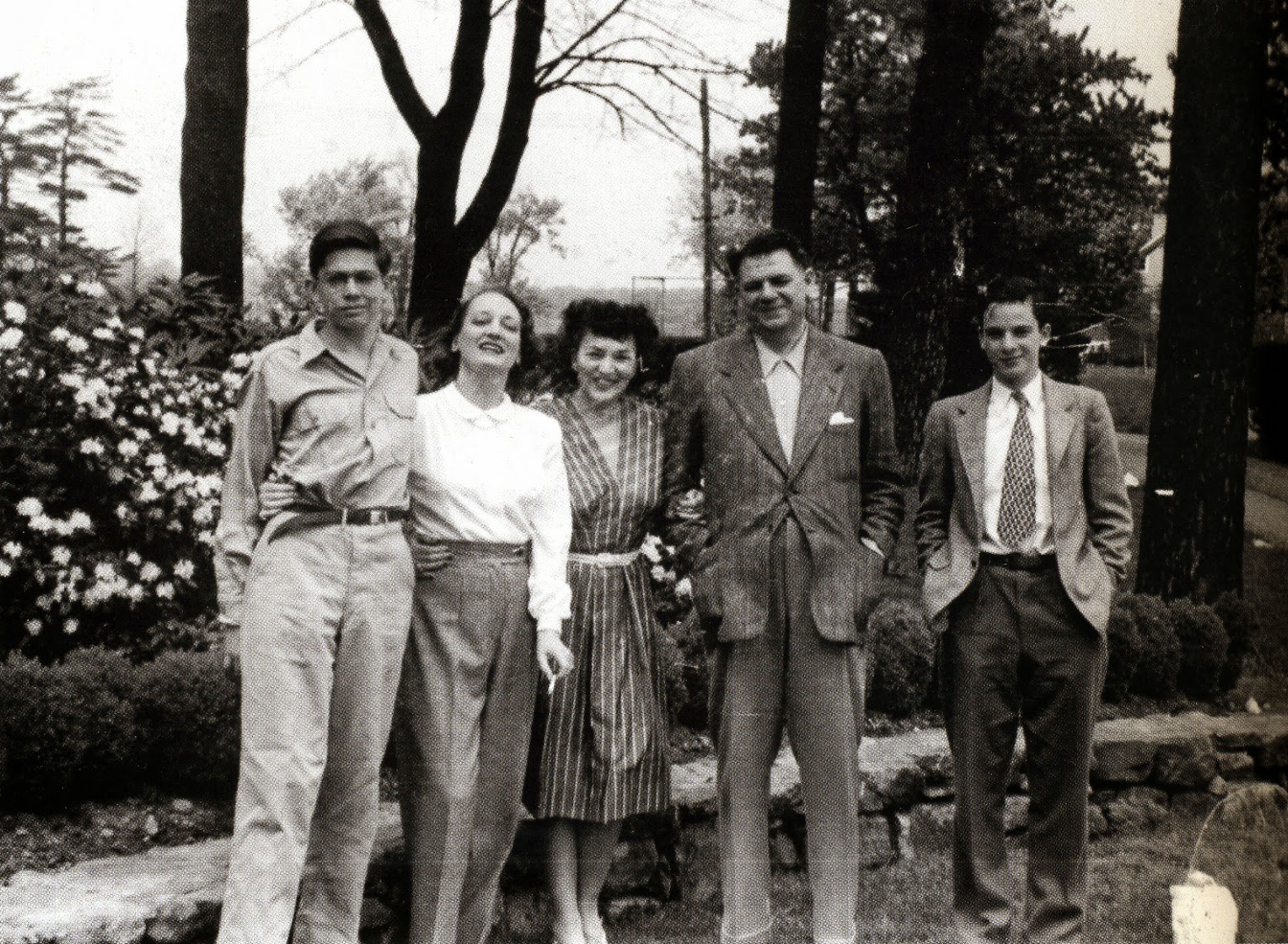
The son of a divorced fashion designer, Sondheim came into contact with Oscar Hammerstein by virtue of the Sondheims moving from Manhattan to Bucks County, Pennsylvania in 1942, where Hammerstein had purchased a farm which served as his home base and creative retreat. Sondheim became acquainted with Hammerstein through the latter’s teenage son, and the Hammersteins soon became a surrogate family for their new neighbor. Hammerstein mentored Sondheim in the craft of the musical while also providing him invaluable experience as an assistant on several Broadway projects. Sondheim credits Hammerstein for the cardinal rules which Sondheim continues to honor in his creative work: “less is more”, “content dictates form”, and “God is in the details”.
 |
|
Oscar Hammerstein (2nd from right) and family beside the young Stephen Sondheim.
|
However reductively, over the past three decades, Broadway has been attacked for its increasing corporate presence and requisite pressures toward highly professional, if largely diversionary, entertainments. From its inception, Assassins stood as a stark rebuttal to that theme park argument, again taking inspiration from the traveling sideshow. In the shadows of that era’s mammoth megamusicals through today’s trend of Hollywood catalogue titles, Assassins remains unvarnished, more dangerous, more informed by risk and definitely more adventurous. Though circumstances delayed its appearance on Broadway for more than a decade, Assassins is fueled by that same ambition for reinvention as the greatest of the Golden Age musicals.
 |
| John Weidman |